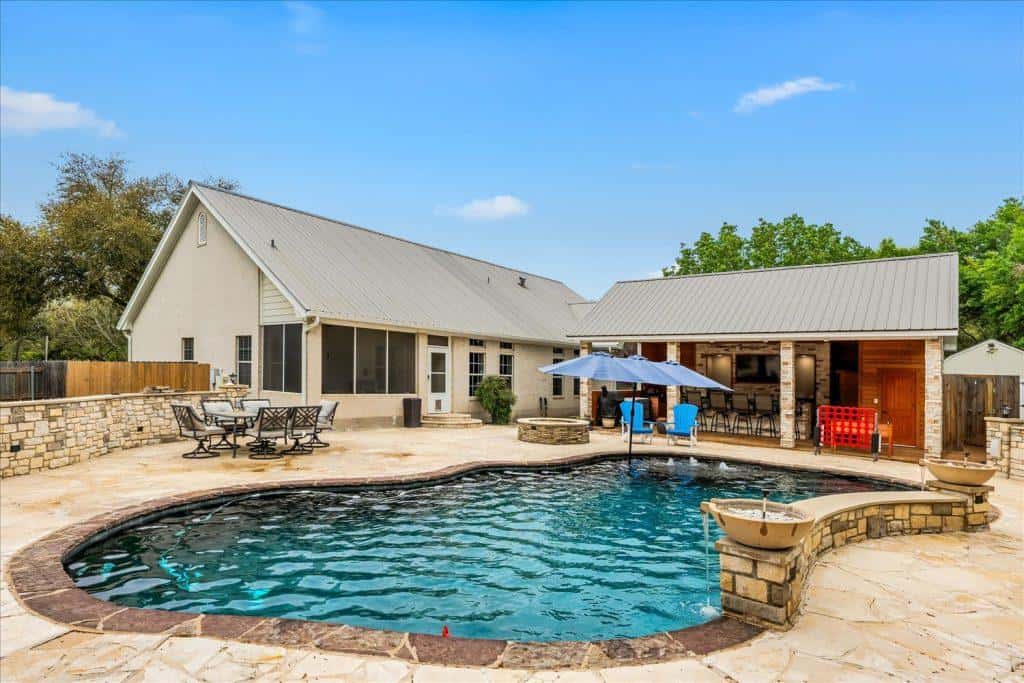
The Ultimate Guide to In-Ground Swimming Pools in Texas
Adding an in-ground swimming pool to your Texas home is a dream for many homeowners. It can transform your backyard into a private oasis, perfect for relaxation, exercise, and entertaining. However, installing a pool is a significant investment, and it's important to weigh the pros and cons before diving in. In this blog post, we'll explore the costs, maintenance, impact on home value, and design considerations to help you decide if an in-ground swimming pool is right for your home.
Pros of Adding an In-Ground Swimming Pool
Enhanced Lifestyle and Enjoyment
An in-ground swimming pool provides a convenient way to cool off during Texas's hot summers. It's perfect for family fun, entertaining guests, or simply relaxing after a long day.
Potential Increase in Home Value
In some markets, a well-designed in-ground swimming pool can increase your home's appeal and value, especially in warmer climates like Texas. Homes with pools may attract buyers looking for a move-in-ready outdoor space.
Health and Fitness Benefits
Swimming is a low-impact exercise that's great for cardiovascular health, muscle strength, and stress relief.
Aesthetic Appeal
A beautifully designed in-ground swimming pool can enhance your backyard's visual appeal, creating a resort-like atmosphere.
Cons of Adding an In-Ground Swimming Pool
High Initial Cost
The average cost of installing an in-ground swimming pool in Texas ranges from $35,000 to $70,000 or more, depending on size, materials, and features. Additional costs may include landscaping, fencing, and permits.
Ongoing Maintenance Expenses
Regular maintenance, such as cleaning, chemical treatments, and equipment repairs, can cost $1,200 to $2,500 annually. You may also need to hire a professional pool service for routine upkeep.
Increased Utility Bills
Pumps, heaters, and filters can significantly increase your electricity and water bills. Heating a pool during cooler months can add hundreds of dollars to your monthly utility costs.
Limited Return on Investment
While an in-ground swimming pool can increase your home's value, it may not fully recoup the installation costs. Some buyers may see a pool as a liability rather than a benefit.
Safety and Liability Concerns
Pools require safety measures, such as fencing and alarms, to prevent accidents. Homeowners may face higher insurance premiums due to increased liability risks.
Budgeting for Your Pool
Before installing an in-ground swimming pool, it's essential to create a detailed budget that includes:
- Installation Costs: Excavation, materials, labor, and permits.
- Additional Features: Lighting, waterfalls, slides, or a hot tub.
- Landscaping: Decking, patios, and plants to enhance the pool area.
- Ongoing Costs: Maintenance, utilities, and repairs.
Maintenance Considerations
Owning a pool requires regular upkeep to keep it clean and safe. Here's what to expect:
- Weekly Cleaning: Skimming debris, vacuuming, and brushing the walls.
- Chemical Balancing: Testing and adjusting pH, chlorine, and alkalinity levels.
- Equipment Maintenance: Inspecting and servicing pumps, filters, and heaters.
- Winterizing: Preparing the pool for colder months to prevent damage.
Does a Pool Increase Your Home's Value?
The impact of an in-ground swimming pool on your home's value depends on several factors:
- Location: In warm climates like Texas, pools are more desirable and can boost resale value.
- Buyer Preferences: Families with young children or buyers who love entertaining may see a pool as a major selling point.
- Quality and Design: A well-maintained, aesthetically pleasing pool is more likely to add value.
However, in some cases, an in-ground swimming pool may deter buyers who don't want the added responsibility or expense.
Popular Pool Styles and Designs
When designing your in-ground swimming pool, consider these popular styles:
- Lap Pool: Long and narrow, ideal for exercise.
- Freeform Pool: Curved and natural-looking, perfect for a backyard oasis.
- Infinity Pool: Creates a stunning visual effect, often used in luxury homes.
- Geometric Pool: Clean lines and symmetrical shapes for a modern look.
Deep Pool vs. Shallow Pool: Which Is Best?
The depth of your in-ground swimming pool depends on how you plan to use it:
- Deep Pool (6-8 feet): Great for diving, swimming laps, or cooling off.
- Shallow Pool (3-5 feet): Ideal for families with young children or casual wading. Many homeowners opt for a variable-depth pool, which includes both shallow and deep areas to accommodate different activities.
Choosing the Right Size
The size of your in-ground swimming pool should complement your backyard and meet your needs:
- Small Pools (1020 feet): Perfect for small yards or limited budgets.
- Medium Pools (1530 feet): Great for families and casual swimming.
- Large Pools (2040 feet or more): Ideal for entertaining, exercise, or luxury homes.
Is an In-Ground Pool Right for You?
Before making a decision, ask yourself:
- How Will You Use the Pool? For exercise, entertaining, or relaxation?
- What's Your Budget? Can you afford the upfront and ongoing costs?
- Do You Plan to Sell Your Home? Will an in-ground swimming pool appeal to potential buyers in your area?
Final Thoughts
Adding an in-ground swimming pool to your home can provide years of enjoyment and enhance your outdoor living space. However, it's a significant investment that requires careful planning and maintenance. By weighing the pros and cons and considering your budget, lifestyle, and long-term goals, you can make an informed decision that's right for you.
For personalized advice on adding a pool to your Texas home, contact Elizabeth Schmidtberger at 210-269-9940 or [email protected]. Let's turn your backyard into the ultimate retreat!
